

Collagen is the scaffolding of the skin, the protein that keeps it firm, smooth and resilient. Understanding how it works is the first step to treating the visible signs of ageing at their source, rather than only at the surface.
From around the age of 25, collagen production begins to slow and we lose roughly 1% a year. As we move through our 30s, 40s and beyond, that decline really starts to show. Skin becomes thinner, less resilient and less elastic. Sun and pollution damage compound it, bringing pigmentation, broken veins and wrinkles.
What is collagen made from?
Amino acids are the building blocks of peptides. They are the raw material.
Peptides are chains of amino acids that act as signalling messengers in the skin. Depending on which amino acids they contain and how they are arranged, they carry different instructions: calming inflammation, reducing pigmentation, prompting repair, or driving collagen production.
Those peptides signal to the fibroblasts, the cells that manufacture collagen, elastin and glycosaminoglycans. Glycosaminoglycans hold water, so the more of them the skin has, the better hydrated it is.
Amino acids → peptides → cell signalling → fibroblasts → procollagen → mature collagen = Stronger, firmer, more resilient skin.
Where do growth factors fit in?
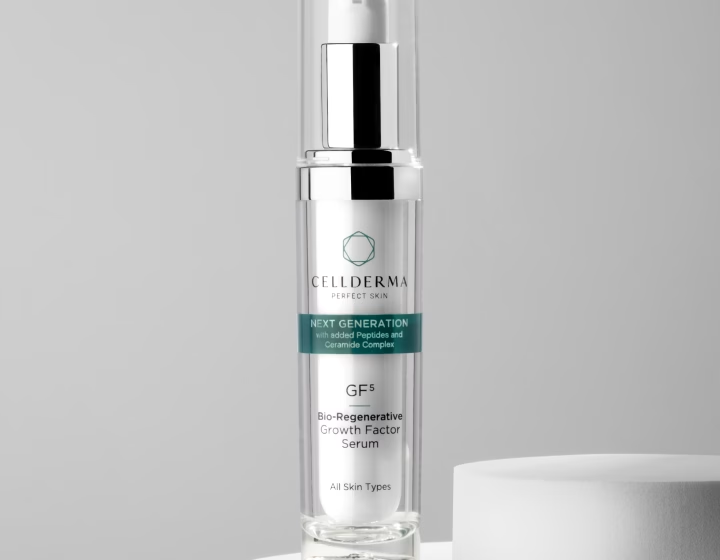
Growth factors are naturally occurring proteins involved in communication between cells. They help regulate growth, repair and regeneration. As we age, the production and activity of these signalling systems also declines. Growth factors influence fibroblast activity and tissue repair, working alongside the peptide pathway.
Polynucleotides and polydeoxyribonucleotides are naturally derived DNA fragments, most often from salmon. They work at a cellular level to create an environment that supports fibroblast activity, collagen and elastin production, hydration and tissue repair, which makes them very useful for improving skin quality and resilience.
Can aesthetic treatments help rebuild what is lost?
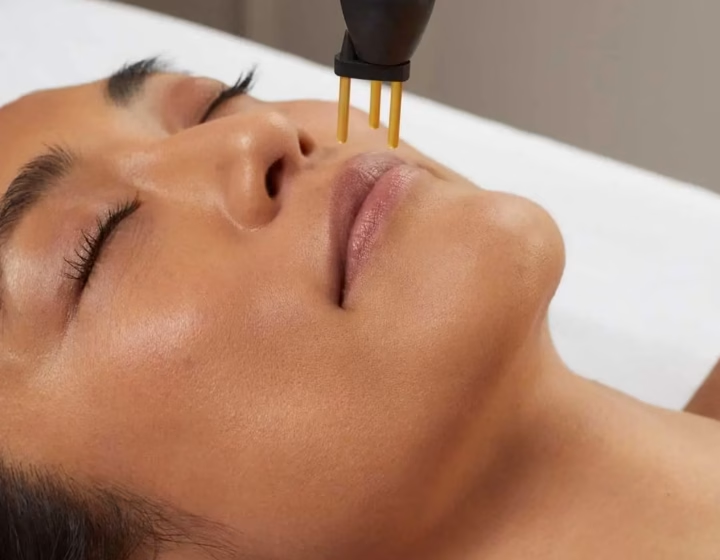
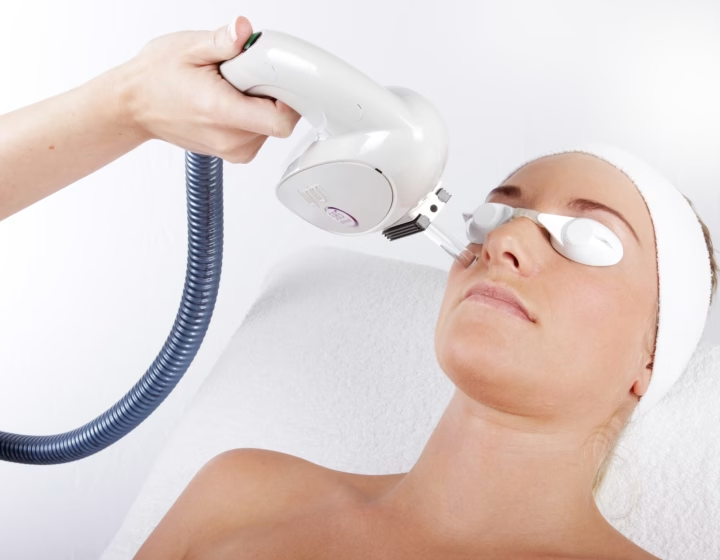
This is where regenerative aesthetics becomes particularly interesting. Treatments such as Neogen Plasma, fractional laser, HIFU and microneedling work by creating a controlled stimulus within the skin, encouraging the fibroblasts to activate the skin’s own natural repair response.
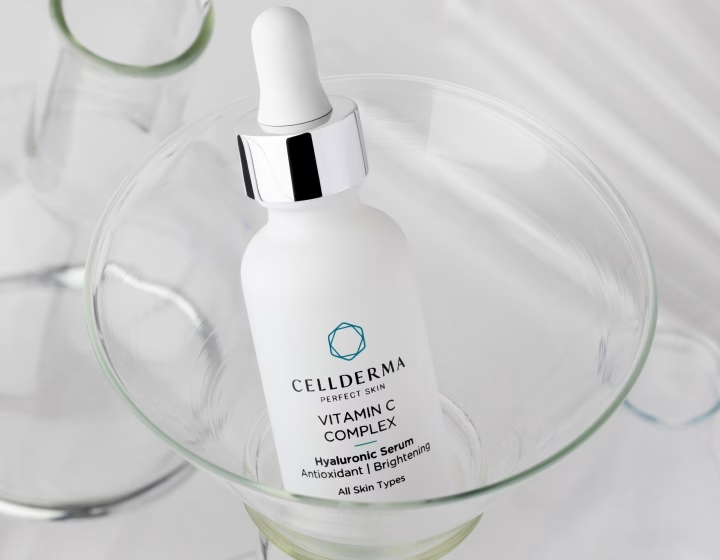
It helps to remember that skin is designed to keep things out. It is close to waterproof, and a lot of products, collagen serums included, simply have too large a molecule to penetrate the epidermis. Medical grade products are formulated with smaller molecules and higher potency ingredients, so far more of the active product reaches the level where it can work.
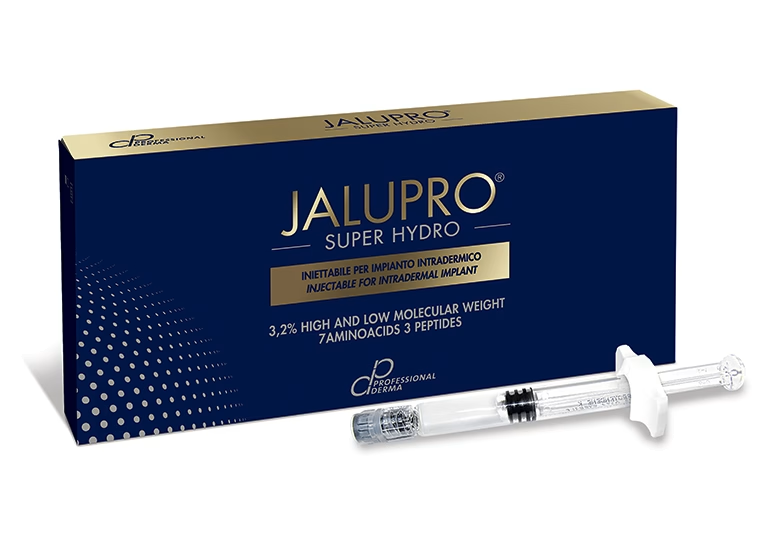
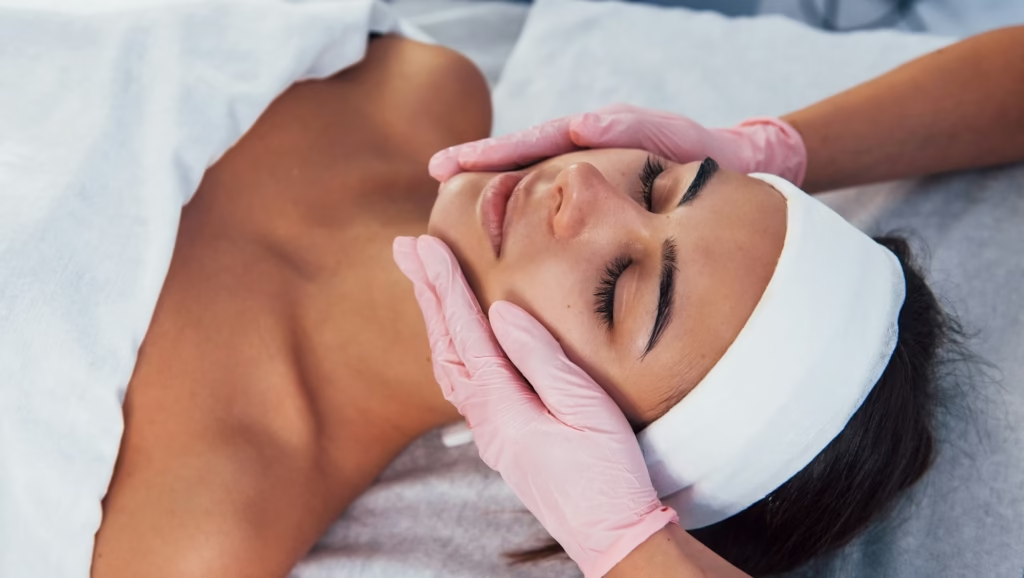
If the skin is lacking collagen, elastin and hyaluronic acid, then amino acids, peptides, growth factors and polynucleotides can be injected or microneedled in. Used before a course of treatment, they improve the nutritional quality of the skin and get it into optimum condition, so it responds better to whichever modality is used. Used afterwards and between sessions, they increase healing rates and efficacy.
A bit like an athlete loading up on protein in the weeks before a race. In a super primed nutritional state , they are far more likely to win.
Healthy, youthful skin is not just about what we put on the surface. It is about getting proven ingredients deep into the dermis, supporting and stimulating those deeper processes and structures, and ultimately leading to the prized proliferation of collagen.
How treatments help
Every one of these treatments works on the same principle. A controlled, precisely delivered stimulus prompts the fibroblasts to switch into repair mode, so the skin rebuilds its own collagen rather than borrowing the look of it. What separates them is the depth they reach and the kind of change they create, which is why they are so often combined.
- Neogen Plasma: nitrogen plasma energy heats the full thickness of the skin without breaking the surface, driving a strong collagen response while the skin stays intact as its own natural dressing.
- Fractional laser: microscopic columns of energy resurface the upper layers and trigger remodelling below, refining tone, texture, pigmentation and fine lines.
- HIFU: focused ultrasound passes straight through the surface and heats the deeper structural layer, tightening and lifting from beneath.
- Microneedling: fine channels create a controlled repair response and, just as usefully, open a direct route for peptides, growth factors and polynucleotides to reach the dermis.
The nutritional side of the treatment plan matters just as much as the device. Preparing the skin with the right actives beforehand, then supporting it afterwards with medical grade homecare and, where appropriate, further injectable or microneedled nutrients, is what turns a good result into a lasting one.
New collagen also takes time to form and mature, so results build over weeks and months rather than days. That is why these treatments are planned as a course, with the skin assessed as it changes.
Every skin is different, so the right approach, or combination of approaches, is always determined at a consultation. If you would like to understand what would suit you best, we would love to talk it through.